20 February 2025
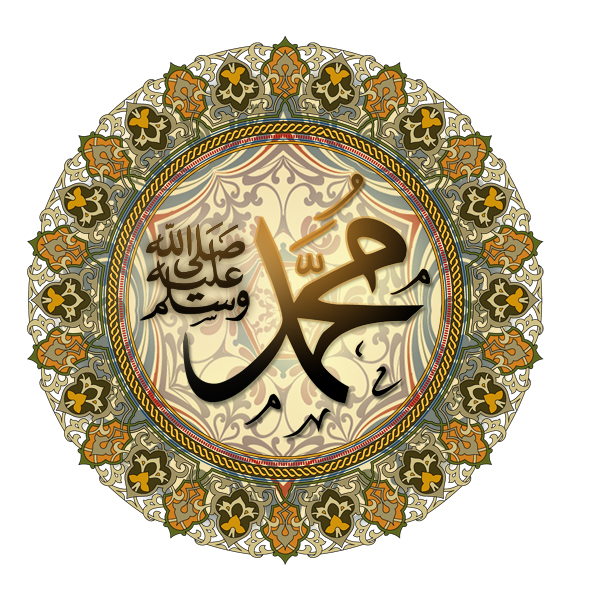
 The Biography of Prophet Muhammad
Prophet Muhammad (PBUH), born in 570 CE in the city of Mecca, holds a pivotal place in the history of Islam. As the final messenger of God in the Abrahamic tradition, Muhammad’s life and teachings continue to guide millions of followers worldwide. His journey from birth to prophethood, his teachings, and his leadership are essential elements for understanding the spread of Islam.
Early Life: Birth and Family
Muhammad was born into the prestigious tribe of Quraysh in Mecca, Saudi Arabia. His father, Abdullah, passed away before his birth, leaving him to be raised by his mother, Amina. At the age of six, he lost his mother as well, and was subsequently cared for by his grandfather, Abdul Muttalib, and later his uncle, Abu Talib. Despite the challenges, Muhammad grew up to be a trustworthy and respected individual.
The Prophet’s Early Character and Marriage to Khadijah
Before receiving his first revelation, Muhammad was known for his honesty, integrity, and fairness. His reputation earned him the title “Al-Amin” (the trustworthy). At the age of 25, Muhammad worked as a merchant for a wealthy widow named Khadijah. Impressed by his character and business acumen, Khadijah proposed marriage to him. They had a loving and supportive relationship, and together they had several children, including their daughter Fatimah.
The Revelation: Beginning of Prophethood
At the age of 40, Muhammad retreated to the cave of Hira in the mountains near Mecca for meditation. It was during this time, in 610 CE, that he received the first revelation from the Angel Jibril (Gabriel). The message conveyed the oneness of God (Tawhid) and the importance of righteousness. Over the next 23 years, Muhammad received revelations that would become the Quran, which Muslims believe to be the literal word of God.
The Message of Islam: Preaching and Early Struggles
Initially, Prophet Muhammad began preaching the message of Islam privately to his family and close friends. His message was met with resistance by the Quraysh leaders who saw it as a threat to their power and the status quo in Mecca. Despite the persecution, Muhammad continued his mission with unwavering faith and determination. His followers, known as Muslims, grew in number, but so did the opposition they faced.
Migration to Medina: The Hijra
In 622 CE, due to escalating persecution, Muhammad and his followers were invited to migrate to the city of Yathrib (later known as Medina). This migration, known as the Hijra, marks the beginning of the Islamic calendar. In Medina, Prophet Muhammad was not only a religious leader but also a political and military leader. The city’s diverse tribes embraced Islam, and the first Islamic community was established.
The Battles: Defending Islam
Prophet Muhammad faced several challenges during his time in Medina, including military conflicts with the Quraysh and other tribes. The Battle of Badr (624 CE), Battle of Uhud (625 CE), and Battle of the Trench (627 CE) were key events that tested the resolve of the Muslim community. Despite the setbacks, the Muslims’ determination and faith in God resulted in eventual victory.
The Conquest of Mecca
In 630 CE, after years of struggle, Prophet Muhammad and his followers returned to Mecca, where they peacefully conquered the city. The idols in the Kaaba were destroyed, and Mecca became a center for Islamic worship. This victory symbolized the triumph of Islam over idol worship, and many Meccans embraced Islam in the following years.
The Final Years: The Farewell Pilgrimage and Death
In the year 632 CE, Prophet Muhammad performed his final pilgrimage to Mecca, known as the Farewell Pilgrimage. During this journey, he delivered his famous Farewell Sermon, emphasizing equality, justice, and the importance of following the teachings of Islam. Shortly after returning to Medina, Prophet Muhammad fell ill and passed away at the age of 63. His death marked the end of prophethood, but his legacy continues to shape the lives of billions of Muslims.
Legacy: The Teachings of Prophet Muhammad
Prophet Muhammad’s life serves as a model for Muslims worldwide. His teachings, recorded in the Quran and the Hadith (sayings and actions of the Prophet), continue to provide guidance on matters of faith, morality, law, and personal conduct. His leadership, compassion, and emphasis on social justice have made him one of the most influential figures in world history.
Conclusion
The biography of Prophet Muhammad (PBUH) is not just a historical account but a source of inspiration for Muslims around the world. His unwavering faith in God, his resilience in the face of adversity, and his commitment to spreading the message of Islam have made him a role model for millions. By understanding his life, Muslims are reminded of the values of peace, justice, and compassion that continue to guide their lives today.
Join IslamLearn Academy for free and gain authentic Islamic knowledge in a simple and clear way, guided by qualified scholars.
Subscribe now to IslamLearn Academy for free
Related Posts
9 January 2026
The Status of Jesus Christ in Islam
The Status of Jesus Christ in Islam Introduction Jesus Christ (ʿĪsā ibn Maryam, peace be...
 Read More
28 December 2025
What Is Islam? A Simple Explanation of Belief and the Pillars of Faith
What Is Islam? A Simple Explanation of Belief and the Pillars of Faith Introduction Islam...
Read More
Search
Categories
Tags
Recent Posts
The Status of Jesus Christ in Islam
The Status of Jesus Christ...
What Is Islam? A Simple Explanation of Belief and the Pillars of Faith
What Is Islam? A Simple...
Islamic Religion: Belief and Sharia
Islamic Religion: Belief and Sharia...
The Role of Women in Islam: An In-Depth Perspective
The Role of Women in...
What are the Key Principles of Islam?
What are the Key Principles...