20 February 2025
 The Famous Islamic Wars: A Detailed Exploration
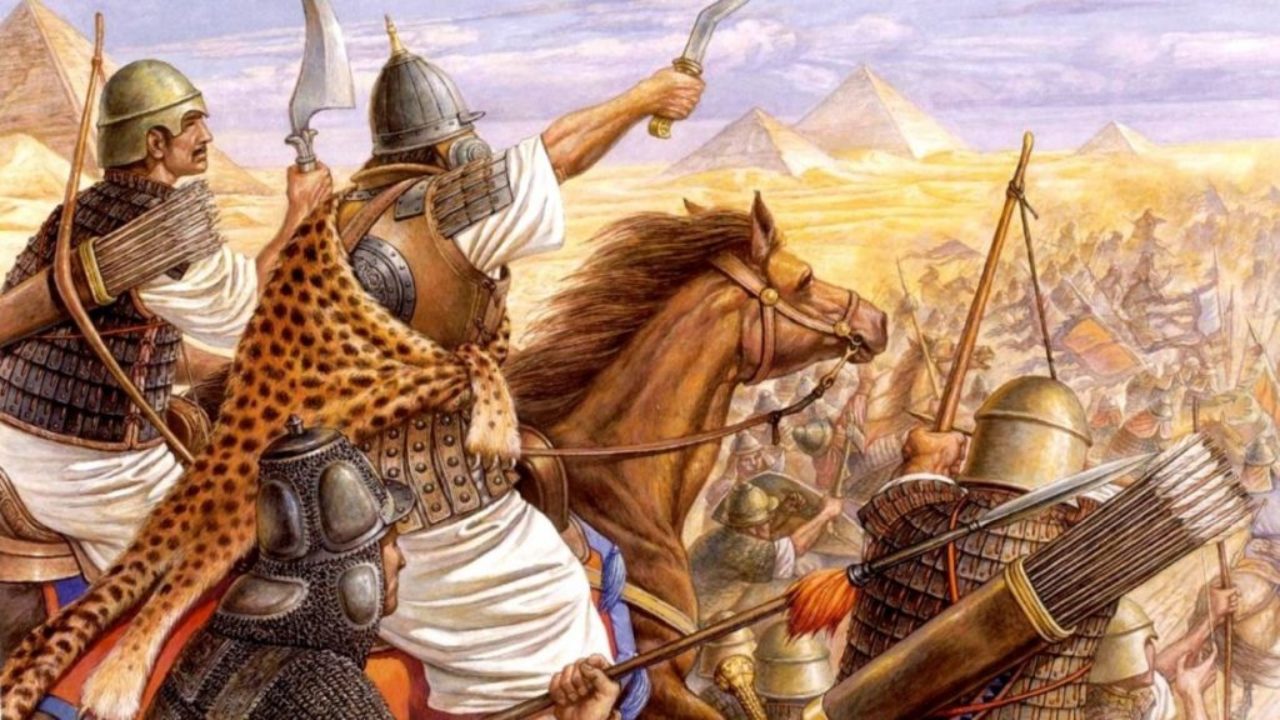
Islamic history is marked by numerous battles and wars that shaped the religious, political, and social landscape of the Muslim world. These wars were pivotal in the establishment and expansion of Islam, often driven by the need for defense.
territorial expansion, and the spread of the Islamic message. In this article, we will explore the reasons behind the most famous Islamic wars, the key events, and their long-lasting effects on the world.
Introduction to Islamic Wars
Islamic history, particularly during the time of the Prophet Muhammad (PBUH) and the early Caliphates, is characterized by a series of military conflicts. These wars were not merely about territorial conquest but also about preserving faith, promoting justice, and protecting the nascent Muslim community from external threats.
The famous Islamic wars are often regarded as defining moments in Islamic history. They laid the foundation for the political, social, and military strength of the Muslim world. Some of the most significant battles include the Battle of Badr, the Battle of Uhud, the Battle of the Trench, and the wars of the Rashidun Caliphate, among others.
The Battle of Badr: A Defining Moment in Early Islam
Context and Cause of the Battle
The Battle of Badr took place in 624 CE, just two years after the migration (Hijra) of the Prophet Muhammad (PBUH) and his followers from Mecca to Medina. This battle was significant because it marked the first major confrontation between the Muslims of Medina and the Quraysh tribe of Mecca, who were opposed to Islam.
The Quraysh had long been hostile to the Prophet Muhammad (PBUH) and sought to stop the growing influence of Islam. The Muslims, though few in number, were determined to defend their faith and secure their survival.
Key Events of the Battle
Despite being outnumbered, the Muslim forces, led by Prophet Muhammad (PBUH), achieved a decisive victory. The battle demonstrated the strength of the Muslim community and the power of faith in battle. The Quraysh were defeated, and their leadership suffered significant casualties.
Impact of the Battle
The victory at Badr had a profound impact on the morale of the Muslims. It was seen as a divine endorsement of their faith and a clear sign that they would triumph over their enemies. The battle also solidified the position of the Prophet Muhammad (PBUH) as a political and military leader.
The Battle of Uhud: A Lesson in Humility and Perseverance
Background of the Battle
The Battle of Uhud took place in 625 CE, just one year after the victory at Badr. The Quraysh, seeking revenge for their defeat at Badr, gathered a large army and marched toward Medina. The Muslims, under the leadership of Prophet Muhammad (PBUH), went out to meet them near the mountain of Uhud.
Reasons Behind the Battle
The Quraysh were motivated by a desire to avenge their losses at Badr and to reassert their dominance over the growing Muslim community. The Muslims, on the other hand, fought to protect their city and faith from the Quraysh and their allies.
Key Events and Outcome
The battle began with favorable conditions for the Muslims. However, a crucial mistake was made by a group of Muslim archers who left their positions on the hill, allowing the Quraysh cavalry to flank the Muslim army. Despite initially gaining the upper hand, the Muslims were eventually defeated, suffering heavy casualties, including the death of Prophet Muhammad’s (PBUH) uncle, Hamza.
Lessons Learned from the Battle
The Battle of Uhud is often regarded as a lesson in humility, patience, and obedience. The Muslims’ defeat highlighted the importance of discipline and the consequences of not following the Prophet’s (PBUH) strategic instructions. Despite the setback, the battle also showed the resilience of the Muslim community, who remained united and determined in their mission.
The Battle of the Trench (Ghazwat al-Khandaq): Defending Medina
Context and Preceding Events
The Battle of the Trench, also known as the Battle of Khandaq, occurred in 627 CE. After a series of defeats, the Quraysh and their allies decided to launch a final assault on Medina. In response, the Prophet Muhammad (PBUH) devised a defensive strategy that involved digging a trench around the city, which would make it difficult for the enemy to launch a direct attack.
Why the Battle Was Significant
This battle was crucial because it tested the Muslims’ ability to defend their city while also relying on their faith and unity. It was one of the few instances where the Prophet Muhammad (PBUH) adopted a defensive approach to warfare.
Key Events and Outcome
When the Quraysh army arrived at Medina, they were unable to breach the trench. After several weeks of siege and skirmishes, the Quraysh were forced to retreat, marking another significant victory for the Muslims. The battle highlighted the importance of strategic thinking and the effectiveness of defensive tactics.
Impact of the Battle
The victory at the Battle of the Trench severely weakened the Quraysh’s resolve and their ability to launch further attacks against Medina. It also marked the beginning of the decline of Quraysh power in the Arabian Peninsula and paved the way for the eventual Muslim conquest of Mecca.
The Conquest of Mecca: The Fall of the Quraysh
Background of the Conquest
The Conquest of Mecca, which took place in 630 CE, was one of the most significant events in Islamic history. After years of hostilities, the treaty between the Muslims and the Quraysh was broken, leading to a full-scale military campaign by the Muslims to capture Mecca.
Reasons for the Conquest
The primary reason for the conquest was the Quraysh’s breach of the Treaty of Hudaybiyyah, which had been established between the two parties in 628 CE. This treaty had promised peace for ten years, but the Quraysh violated it by attacking a tribe allied with the Muslims. This violation gave the Muslims a legitimate reason to march on Mecca.
Key Events and Outcome
The Muslim army, led by Prophet Muhammad (PBUH), marched to Mecca with a force of around 10,000 soldiers. Faced with overwhelming numbers, the Quraysh surrendered without a fight. The city was peacefully taken, and the idols in the Kaaba were destroyed, symbolizing the triumph of monotheism over polytheism.
Impact of the Conquest
The Conquest of Mecca marked the end of Quraysh dominance and the beginning of the spread of Islam across the Arabian Peninsula. The peaceful nature of the conquest demonstrated the power of forgiveness and the magnanimity of Prophet Muhammad (PBUH), who granted amnesty to many of his former enemies.
The Ridda Wars: The Challenge of Apostasy
Background and Causes
After the death of Prophet Muhammad (PBUH) in 632 CE, several Arab tribes abandoned Islam, leading to a series of conflicts known as the Ridda Wars (Wars of Apostasy). The tribes that had previously accepted Islam began to reject it, either due to political or tribal reasons.
Key Events and Outcome
The Ridda Wars were fought by the first caliph, Abu Bakr, to restore unity within the Muslim community. The wars were largely successful, and the rebellious tribes were either defeated or brought back into the fold of Islam.
Impact of the Ridda Wars
The success of the Ridda Wars ensured the survival of the Islamic state and laid the foundation for the subsequent Rashidun Caliphate’s expansion across the Arabian Peninsula. It also reinforced the importance of unity within the Muslim Ummah (community).
Conclusion: The Legacy of Islamic Wars
The famous Islamic wars were instrumental in the early expansion and establishment of Islam. They taught critical lessons about unity, faith, strategy, and perseverance. The victories in these battles demonstrated the strength of the Muslim community, while the defeats underscored the need for humility and discipline.
These wars had lasting effects on the political and social development of the Muslim world. They also contributed to the spread of Islamic civilization, which continues to have a profound influence on the world today.
While the context and nature of the conflicts varied, the core principle that drove these wars was the desire to protect and spread Islam. Their impact can still be felt in modern history, as they shaped the course of Muslim civilizations and their relationships with the rest of the world.
This article gives an overview of why the most famous Islamic wars were fought and the key events that defined them. These wars were not only significant in the context of military strategy but also in the development of Islamic principles, teachings, and governance.
Search
Categories
Tags
Recent Posts

The Role of Women in Islam: An In-Depth Perspective
The role of women in...
What are the Key Principles of Islam?
Islam is a major world...
Islamic Jurisprudence: An In-Depth Understanding of Fiqh
Islamic jurisprudence, or "Fiqh," is...

The Most Important Hadiths of Prophet Muhammad (PBUH)
The teachings of Prophet Muhammad...
The Five Pillars of Islam
The Five Pillars of Islam...