22 February 2025
 The Five Pillars of Islam
The Five Pillars of Islam are fundamental practices that define the way of life for Muslims. These pillars guide their daily actions, their relationship with Allah (God), and their interaction with others. They are considered the core framework of a Muslim’s faith and practice. In this article, we will delve into each of the Five Pillars of Islam, explaining their significance, components, and how they shape the lives of Muslims.
Introduction to the Five Pillars of Islam
The Five Pillars of Islam are the foundation upon which the entire structure of Islamic life is built. They are:
- Shahada (Faith)
- Salat (Prayer)
- Zakat (Charity)
- Sawm (Fasting)
- Hajj (Pilgrimage)
These pillars serve as the spiritual and physical expression of a Muslim’s faith and submission to Allah. Each pillar is a significant practice that strengthens one’s connection with the divine and the community of believers.
1. Shahada (Faith): The Declaration of Belief
The Shahada, or the declaration of faith, is the most important pillar of Islam. It is the first step to becoming a Muslim. The Shahada is a simple, yet profound statement:
“There is no god but Allah, and Muhammad is the messenger of Allah.”
The Significance of Shahada
The Shahada is not merely a verbal statement; it is a proclamation of faith, confirming the oneness of Allah and the prophethood of Muhammad. The essence of this declaration is that Allah is the only one worthy of worship, and Muhammad (PBUH) is the final messenger sent to guide humanity.
For Muslims, the Shahada represents the cornerstone of their faith. It reminds them daily of the ultimate truth of the universe—that Allah is the Creator, Sustainer, and the One to whom all beings must return.
How Shahada Affects a Muslim’s Life
- Unity of Faith: By reciting the Shahada, a Muslim reaffirms their allegiance to the oneness of Allah, eliminating any form of polytheism.
- Guiding Principle: The Shahada provides a framework for Muslim beliefs, serving as a reminder to live in accordance with the teachings of Islam.
2. Salat (Prayer): The Connection to Allah
Salat refers to the act of worship and prayer performed five times a day. These prayers are seen as a direct link between the worshiper and Allah. The five obligatory prayers are:
- Fajr – Performed before dawn.
- Dhuhr – Performed after midday.
- Asr – Performed in the afternoon.
- Maghrib – Performed at sunset.
- Isha – Performed at night.
The Importance of Salat in Islam
Salat is one of the most important aspects of Islam because it allows Muslims to maintain constant remembrance of Allah throughout their day. The act of praying five times a day helps a Muslim focus on their spiritual growth, seeking guidance, forgiveness, and blessings from Allah.
How Salat Affects a Muslim’s Daily Life
- Discipline: Performing Salat at specific times during the day creates a disciplined routine, helping the believer maintain a balanced life.
- Connection to Allah: Through Salat, Muslims constantly renew their relationship with Allah, asking for His guidance and mercy.
- Spiritual Focus: Salat serves as a way to detach from the distractions of the world and refocus on one’s spiritual journey.
3. Zakat (Charity): Purifying Wealth
What is Zakat?
Zakat is a form of almsgiving or charity that involves giving a portion of one’s wealth to those in need. It is calculated as a specific percentage of a Muslim’s savings, typically 2.5% per year, and it must be given to the poor and the needy.
The Significance of Zakat
Zakat purifies wealth and acts as a reminder to Muslims that their wealth is not solely for personal enjoyment, but rather a trust from Allah. It is also a means of eradicating poverty and reducing inequality in society. Giving Zakat is a way for Muslims to foster compassion, generosity, and social responsibility.
How Zakat Affects the Muslim Community
- Social Welfare: Zakat ensures that wealth circulates in society, providing support for those in need, such as orphans, the elderly, and the poor.
- Spiritual Cleansing: By giving a portion of one’s wealth, Muslims purify their earnings and demonstrate humility.
- Solidarity: Zakat fosters a sense of unity within the Muslim community, as it encourages individuals to support each other in times of hardship.
4. Sawm (Fasting): Self-Discipline and Empathy
What is Sawm?
Sawm refers to fasting during the holy month of Ramadan. Muslims fast from dawn until sunset, abstaining from food, drink, smoking, and marital relations during the daylight hours. Fasting is seen as a form of self-discipline and an opportunity for Muslims to grow closer to Allah.
The Significance of Sawm
Fasting serves multiple purposes in Islam:
- Spiritual Growth: Fasting purifies the soul and teaches Muslims patience, empathy, and gratitude.
- Physical and Mental Detox: It is believed that fasting offers physical and mental detoxification, allowing the body to rest and rejuvenate.
- Solidarity with the Poor: By experiencing hunger and thirst, Muslims gain empathy for the less fortunate, motivating them to be more charitable.
How Sawm Impacts a Muslim’s Life
- Increased Piety: Fasting during Ramadan brings Muslims closer to Allah by encouraging greater devotion through prayer, recitation of the Quran, and acts of kindness.
- Self-Control: Sawm teaches Muslims to control their desires, fostering discipline and self-control.
- Empathy for the Less Fortunate: By feeling the struggles of hunger and thirst, Muslims are reminded of the hardships faced by those who suffer daily from poverty.
5. Hajj (Pilgrimage): A Journey of a Lifetime
What is Hajj?
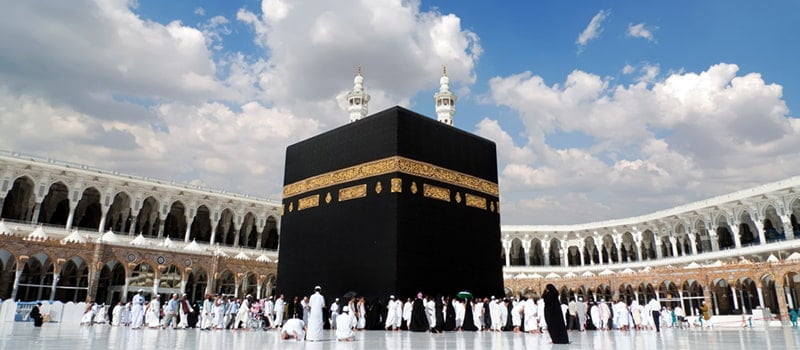
Hajj is the pilgrimage to Mecca, the holiest city in Islam. Every Muslim who is financially and physically able to undertake the journey must perform Hajj at least once in their lifetime. Hajj is performed during a specific time of the year, in the Islamic month of Dhul-Hijjah, and involves a series of rituals, including the Tawaf (circling of the Kaaba) and the stoning of the Jamarat (symbolic rejection of Satan).
The Significance of Hajj
Hajj is a symbol of unity and equality. Muslims from all over the world gather together in Mecca to perform the same rituals, dressed in simple white garments, which removes all markers of wealth, social status, and nationality. The pilgrimage represents a Muslim’s ultimate submission to Allah and a deepened sense of spirituality.
How Hajj Affects a Muslim’s Faith
- Unity of the Ummah: Hajj brings together Muslims from diverse backgrounds, reinforcing the idea that all Muslims are part of the global Muslim community, or Ummah.
- Repentance and Forgiveness: Hajj is an opportunity for Muslims to seek forgiveness for their past sins and begin anew in their relationship with Allah.
- Spiritual Transformation: The journey of Hajj is spiritually transformative. The rituals performed during Hajj, along with the experience of being in the presence of the sacred Kaaba, deeply impact a Muslim’s faith and devotion.
Conclusion: The Five Pillars and Their Role in a Muslim’s Life
The Five Pillars of Islam form the foundation of a Muslim’s faith, practice, and daily life. From the declaration of faith in the Shahada to the physical and spiritual benefits of Hajj, each pillar plays a crucial role in the spiritual development and community-building of Muslims. Together, they guide believers toward living a life that is in alignment with the teachings of Islam, fostering unity, empathy, discipline, and connection with Allah.
By adhering to these pillars, Muslims strengthen their relationship with their Creator and society, contributing to a balanced, ethical, and purposeful life. Each pillar not only enhances individual spirituality but also helps build a sense of solidarity and compassion within the global Muslim community.
This article provides a thorough exploration of the Five Pillars of Islam, each with its significance and the impact it has on a Muslim’s daily life and spiritual growth.
Related Posts
22 February 2025
The Role of Women in Islam: An In-Depth Perspective
The role of women in Islam has been a subject of great interest and, at...
 Read More
22 February 2025
What are the Key Principles of Islam?
Islam is a major world religion with over 1.8 billion followers globally. Rooted in the...
Read More
Search
Categories
Tags
Recent Posts

The Role of Women in Islam: An In-Depth Perspective
The role of women in...
What are the Key Principles of Islam?
Islam is a major world...
Islamic Jurisprudence: An In-Depth Understanding of Fiqh
Islamic jurisprudence, or "Fiqh," is...
The Most Important Hadiths of Prophet Muhammad (PBUH)
The teachings of Prophet Muhammad...
The Five Pillars of Islam
The Five Pillars of Islam...