22 February 2025
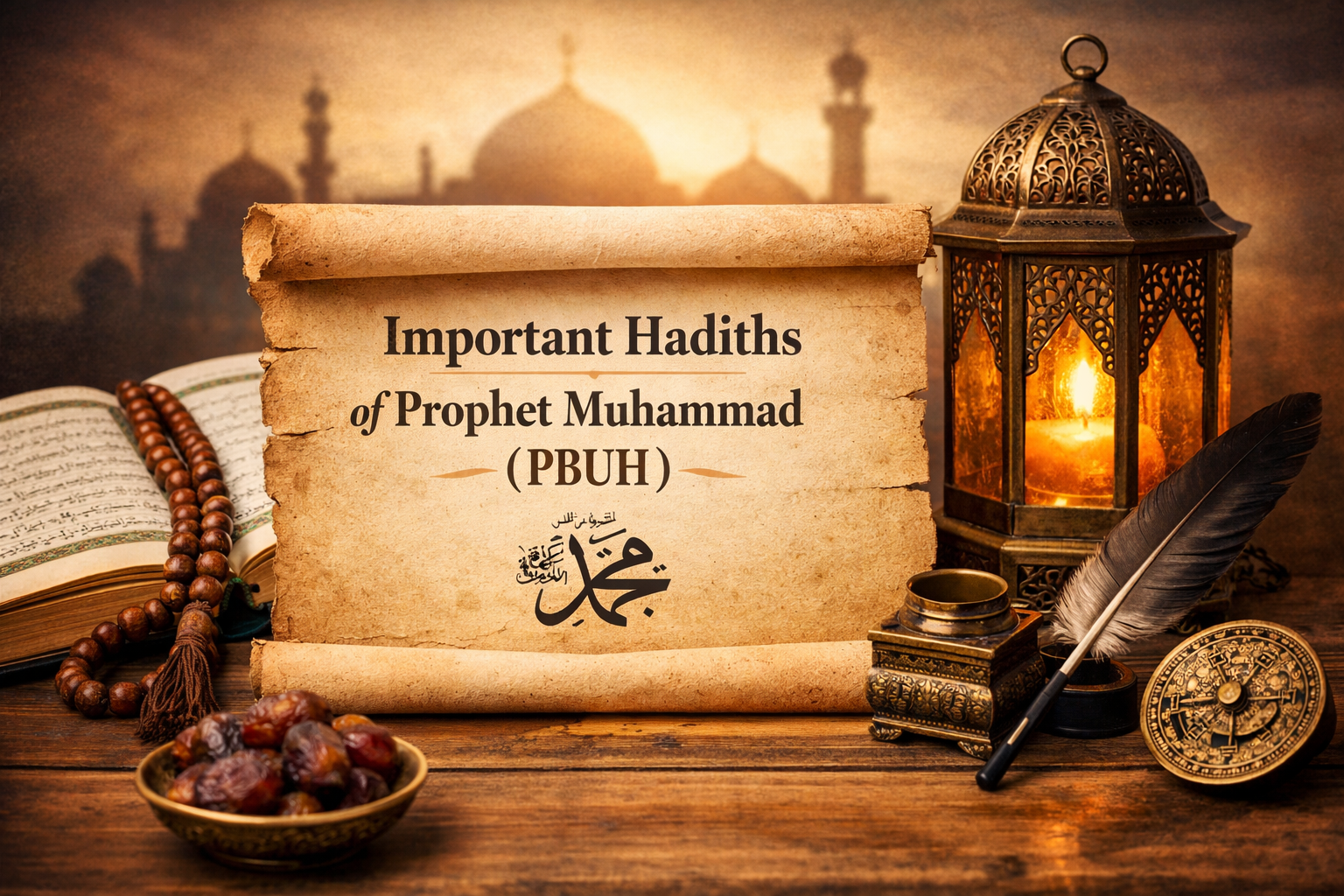
 The Most Important Hadiths of Prophet Muhammad (PBUH)
The Most Important Hadiths of Prophet Muhammad (PBUH)
The teachings of Prophet Muhammad (PBUH) have been preserved through Hadith, which refers to the sayings, actions, and approvals of the Prophet. Hadith is an essential part of Islamic tradition, guiding Muslims in their daily lives, spirituality, and moral conduct. In this article, we will explore some of the most important Hadiths of Prophet Muhammad (PBUH), their meanings, and their impact on Islamic thought.
What is Hadith?
Definition and Importance of Hadith
Hadith is defined as the recorded narration of the sayings, actions, and approvals of Prophet Muhammad (PBUH). It serves as one of the primary sources of guidance for Muslims, second only to the Qur’an. Through the Hadith, we understand how to live according to the principles of Islam. The compilation of Hadiths began soon after the death of the Prophet, and they were systematically categorized into books by various scholars.
The Role of Hadith in Islam
Hadiths are critical because they provide practical explanations and interpretations of the Qur’an. While the Qur’an is considered the literal word of God, Hadiths explain how to implement these teachings in daily life. The Hadiths are categorized based on their authenticity, and scholars classify them into “Sahih” (authentic), “Hasan” (good), and “Da’if” (weak).
Key Hadiths that Shape Islamic Practice
The Hadith of Intentions (Niyyah)
One of the most important Hadiths that is often quoted by scholars is:
“Actions are judged by their intentions, and everyone will be rewarded according to what they intended.”
(Sahih Bukhari)
Significance of the Hadith
This Hadith teaches that the value of an action is not based solely on the outward deed but on the intention behind it. It underscores the importance of sincerity in all actions. Whether a person performs a good deed or a bad deed, the intention determines whether it will be rewarded by Allah (SWT). This Hadith reminds Muslims that their inner thoughts and motivations are as significant as their actions.
Impact on Muslim Life
Muslims believe that their intentions must align with the teachings of Islam. This Hadith encourages individuals to purify their hearts and minds, aiming for actions that please Allah rather than seeking worldly gains.
The Hadith of Brotherhood
Prophet Muhammad (PBUH) emphasized the importance of unity and brotherhood in Islam through the following Hadith:
“None of you truly believes until he loves for his brother what he loves for himself.”
(Sahih Bukhari)
Significance of the Hadith
This Hadith highlights the importance of empathy and mutual support in Islam. The concept of “brotherhood” in Islam extends beyond familial bonds; it includes all fellow Muslims. This teaching urges Muslims to prioritize the well-being of others and to act with kindness, as true faith is not complete without this love and consideration for others.
Impact on Muslim Communities
The Hadith of brotherhood is a call for unity in the Muslim Ummah (community). It encourages individuals to help others, refrain from jealousy, and foster a spirit of solidarity. It also plays a crucial role in reducing social divisions and fostering collective well-being.
The Hadith of the Best Character
Prophet Muhammad (PBUH) said:
“The best of you are those who have the best manners and character.”
(Sahih Bukhari)
Significance of the Hadith
This Hadith emphasizes the importance of good character, which includes honesty, patience, generosity, and humility. The Prophet Muhammad (PBUH) is considered the best example of good character, and Muslims are encouraged to model their behavior after him. Having good manners and character in dealing with others is not just a social virtue but a key component of a Muslim’s faith.
Impact on Muslim Behavior
This Hadith encourages Muslims to strive for moral excellence in their interactions with others. By focusing on traits like kindness, forgiveness, and integrity, Muslims can contribute to a more just and compassionate society.
The Hadith on Seeking Knowledge
Prophet Muhammad (PBUH) emphasized the importance of knowledge in the following Hadith:
“Seeking knowledge is an obligation upon every Muslim.”
(Sunan Ibn Majah)
Significance of the Hadith
This Hadith highlights the vital importance of acquiring knowledge in Islam. Knowledge is not only religious but encompasses all beneficial knowledge that aids in the development of an individual’s character, society, and humanity as a whole. Islam encourages both religious and worldly knowledge, as both serve to benefit the Muslim in this life and the Hereafter.
Impact on Muslim Education
The Hadith has played a significant role in encouraging education within the Muslim world. Throughout history, Muslim scholars have made monumental contributions to various fields of knowledge, including mathematics, astronomy, medicine, and philosophy. This Hadith continues to inspire Muslims to seek knowledge, whether through formal education or self-learning.
Ethical Teachings in the Hadith
The Hadith on Honesty
Prophet Muhammad (PBUH) stated:
“Truth leads to righteousness, and righteousness leads to Paradise. A man will keep telling the truth until he is recorded as a truthful person.”
(Sahih Bukhari)
Significance of the Hadith
This Hadith underscores the importance of truthfulness in Islam. Honesty is considered a fundamental virtue, and Muslims are encouraged to be truthful in their words and actions. Lying and deceit are major sins in Islam, and this Hadith serves as a reminder that honesty leads to moral integrity and eternal rewards.
Impact on Social Interactions
In Muslim communities, this Hadith encourages open communication and the development of trust. Whether in business, relationships, or social dealings, truthfulness strengthens bonds and promotes justice.
The Hadith on Patience (Sabr)
The Prophet Muhammad (PBUH) said:
“Whoever remains patient, Allah will give him patience. No one is given a better or more abundant gift than patience.”
(Sahih Bukhari)
Significance of the Hadith
Patience is a central theme in Islam, particularly in the face of trials and hardships. This Hadith teaches that those who exhibit patience during difficult times will receive immense rewards from Allah. Patience is also associated with perseverance, self-restraint, and trust in God’s wisdom.
Impact on Muslim Resilience
This Hadith encourages Muslims to remain steadfast and resilient in the face of adversity. Whether dealing with personal loss, financial difficulties, or societal challenges, patience is a vital tool for maintaining faith and inner peace.
Conclusion
The Hadiths of Prophet Muhammad (PBUH) offer a comprehensive framework for ethical conduct, spirituality, and social interaction. By following these sayings, Muslims can enhance their relationship with Allah, improve their character, and contribute positively to society. The timeless wisdom found in the Hadiths continues to guide and inspire millions of people around the world, reflecting the universal and enduring message of Islam.
Join IslamLearn Academy for free and gain authentic Islamic knowledge in a simple and clear way, guided by qualified scholars.
Subscribe now to IslamLearn Academy for free
Related Posts
9 January 2026
The Status of Jesus Christ in Islam
The Status of Jesus Christ in Islam Introduction Jesus Christ (ʿĪsā ibn Maryam, peace be...
 Read More
28 December 2025
What Is Islam? A Simple Explanation of Belief and the Pillars of Faith
What Is Islam? A Simple Explanation of Belief and the Pillars of Faith Introduction Islam...
Read More
Search
Categories
Tags
Recent Posts
The Status of Jesus Christ in Islam
The Status of Jesus Christ...
What Is Islam? A Simple Explanation of Belief and the Pillars of Faith
What Is Islam? A Simple...
Islamic Religion: Belief and Sharia
Islamic Religion: Belief and Sharia...

The Role of Women in Islam: An In-Depth Perspective
The Role of Women in...
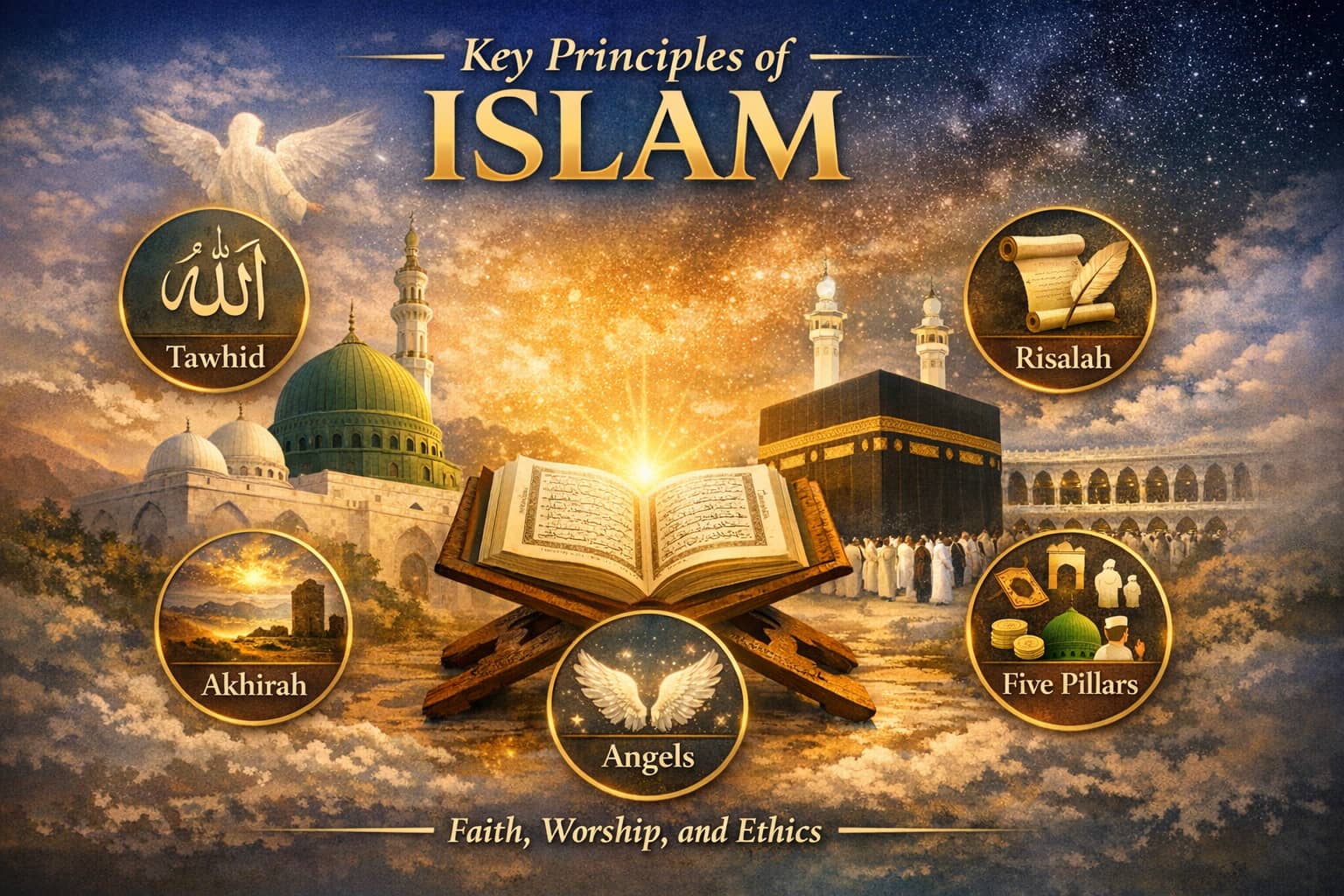
What are the Key Principles of Islam?
What are the Key Principles...