28 December 2025
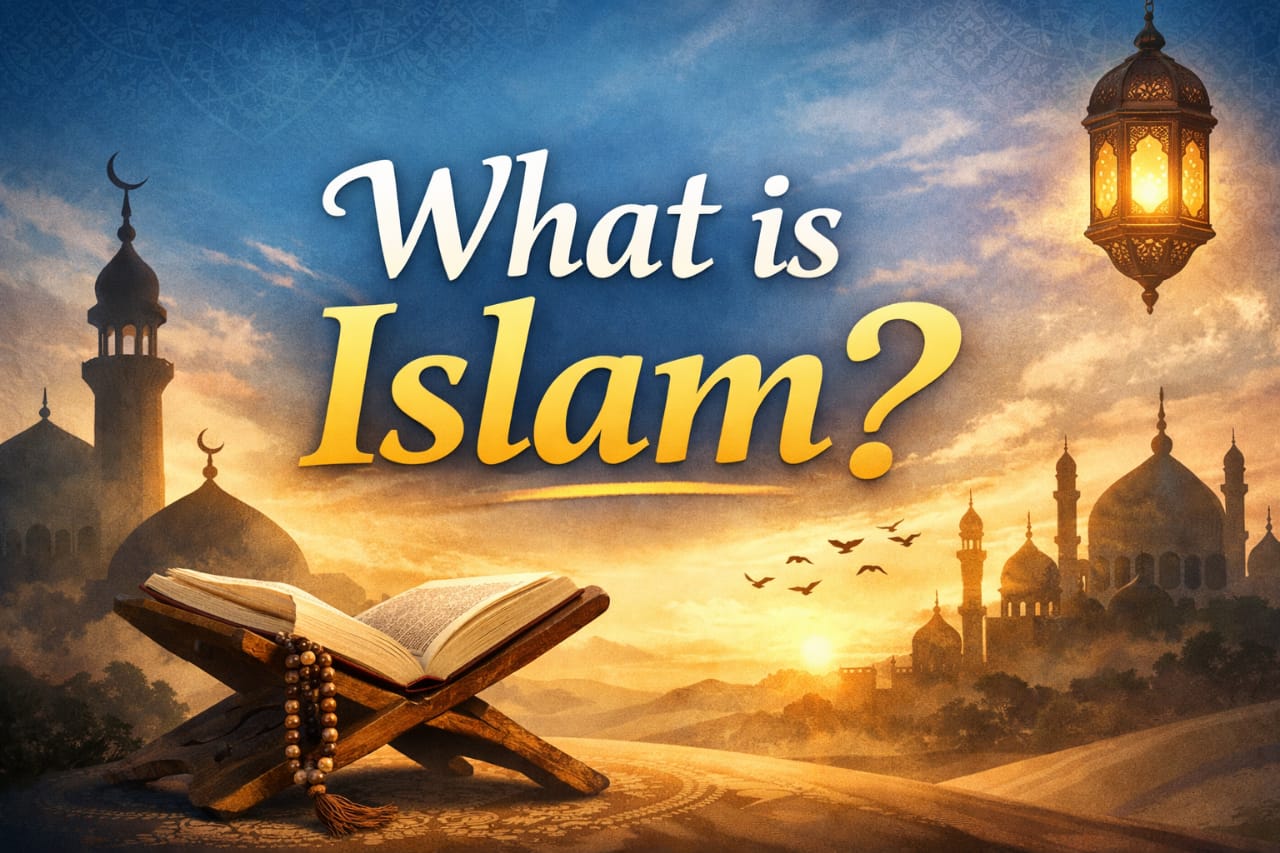
 What Is Islam? A Simple Explanation of Belief and the Pillars of Faith
What Is Islam? A Simple Explanation of Belief and the Pillars of Faith
Introduction
Islam is one of the largest religions in the world, followed by over one billion people from diverse cultures, languages, and backgrounds. This article provides a simple and organized introduction to Islam, designed for beginners and non-Muslims. You will learn the core beliefs, the Five Pillars, and the ethical principles that guide Muslims in daily life.
Understanding Islam promotes tolerance, respect, and cross-cultural understanding, while explaining how Islamic values influence both personal and social life.
The Meaning of Islam
The word Islam means submission to the will of God. According to Islamic belief, true peace and the ultimate purpose of existence are achieved through voluntary submission to God’s guidance. Muslims believe that God sent prophets throughout history, and that Prophet Muhammad ﷺ was the final messenger. The Qur’an confirms and completes the guidance revealed to earlier prophets.
At its core, Islam emphasizes belief in one God alone, who deserves worship and obedience. It also promotes universal moral values such as justice, mercy, honesty, respect for human dignity, and peaceful coexistence. Islam aims to guide individuals toward a balanced life that benefits both themselves and society.
Islam Is Based on Monotheism
The Meaning of Monotheism (Tawhid)
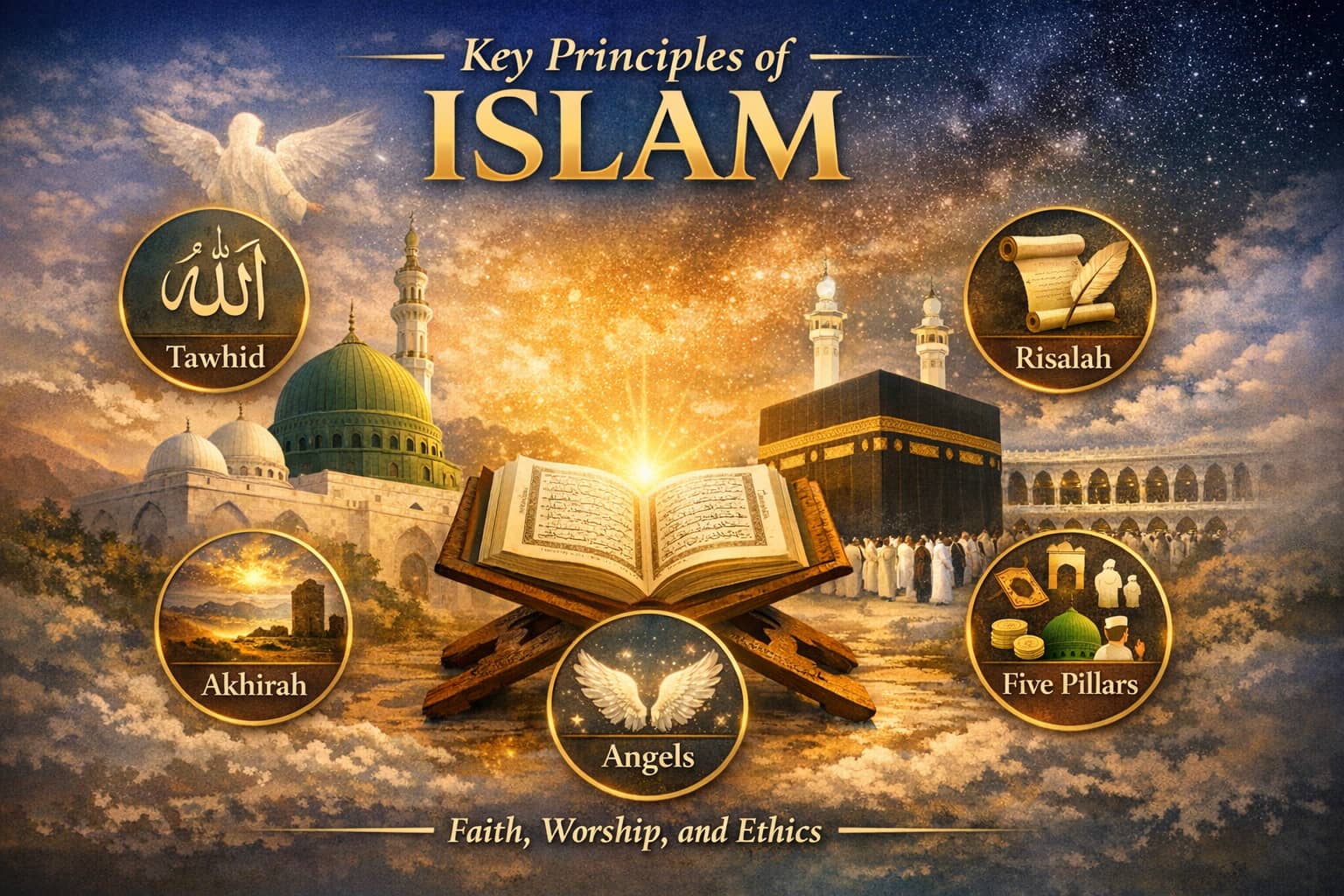
Monotheism, or Tawhid, is the belief in the absolute oneness of God. This belief goes beyond acknowledging God’s existence—it affirms that God alone deserves worship. Tawhid is the foundation of Islamic faith and the central message of all prophets.
God is unique, eternal, and independent of His creation. He has no partner, no equal, and needs nothing, while everything in existence depends on Him. Understanding this concept shapes the Muslim perspective on life and the universe.
Types of Monotheism in Islam
Islamic theology explains monotheism through three key aspects:
-
Oneness of Lordship (Tawhid al-Rububiyyah): God alone is the Creator, Sustainer, and Controller of the universe.
-
Oneness of Worship (Tawhid al-Uluhiyyah): All acts of worship—prayer, supplication, devotion—are dedicated to God alone.
-
Oneness of Names and Attributes (Tawhid al-Asma’ wa al-Sifat): Belief in God’s names and attributes as revealed in the Qur’an and authentic teachings, without comparison or distortion.
The Pillars of Faith in Islam
The Pillars of Faith define the core beliefs every Muslim accepts:
-
Belief in God: God is one, perfect, and the only one worthy of worship. Submission to His will brings guidance and inner peace.
-
Belief in Angels: Created by God from light, angels carry out specific duties, including Gabriel, Michael, Israfil, and the Angel of Death.
-
Belief in the Revealed Scriptures: God revealed the Torah, Gospel, Psalms, and Qur’an, which is the final, preserved source of guidance.
-
Belief in the Messengers: Prophets were sent to all nations; Muhammad ﷺ is the final prophet.
-
Belief in the Day of Judgment: Humans are accountable for their actions, which determine reward or punishment after death.
-
Belief in Divine Decree (Qadar): Everything occurs by God’s knowledge and will, while humans are responsible for their choices.
The Five Pillars of Islam
The Five Pillars are the practical expression of faith:
-
Declaration of Faith (Shahada): There is no god but God, and Muhammad is His messenger.
-
Prayer (Salah): Performing the five daily prayers.
-
Charity (Zakat): Giving a portion of wealth to help those in need.
-
Fasting (Sawm): Fasting during Ramadan from dawn to sunset.
-
Pilgrimage (Hajj): Visiting Mecca once in a lifetime if physically and financially able.
“learn more about five billars”
Summary
Islam is a monotheistic religion based on belief in one God and submission to His will. The Pillars of Faith define what Muslims believe, and the Five Pillars of Islam translate these beliefs into practical actions. Islam seeks balance between faith and action, building a society rooted in moral values, peace, and coexistence.
Join IslamLearn Academy for free and gain authentic Islamic knowledge in a simple and clear way, guided by qualified scholars.
Subscribe now to IslamLearn Academy for free
Related Posts
23 December 2025
Islamic Religion: Belief and Sharia
Islamic Religion: Belief and Sharia Introduction The Islamic religion is the religion with which Allah...
 Read More
20 February 2025
Why Islam is the True Religion
Islam is considered by its followers to be the final and complete revelation of God’s...
Read More
Search
Categories
Tags
Recent Posts
The Status of Jesus Christ in Islam
The Status of Jesus Christ...
What Is Islam? A Simple Explanation of Belief and the Pillars of Faith
What Is Islam? A Simple...
Islamic Religion: Belief and Sharia
Islamic Religion: Belief and Sharia...
The Role of Women in Islam: An In-Depth Perspective
The Role of Women in...
What are the Key Principles of Islam?
What are the Key Principles...